REVIEW · GLASGOW
Merchant City: Past and Present Music Tour
Book on GetYourGuide →Operated by Glasgow Music City Tours · Bookable on GetYourGuide
Music stories on foot in Glasgow’s heart. This Merchant City and East End Music Tour is built around real venues, real characters, and those in-between streets you usually miss when you stick to the postcard route. It mixes gig lore, genre-switching anecdotes, and the bigger picture of how Glasgow’s music scene grew from pubs, halls, and grassroots energy.
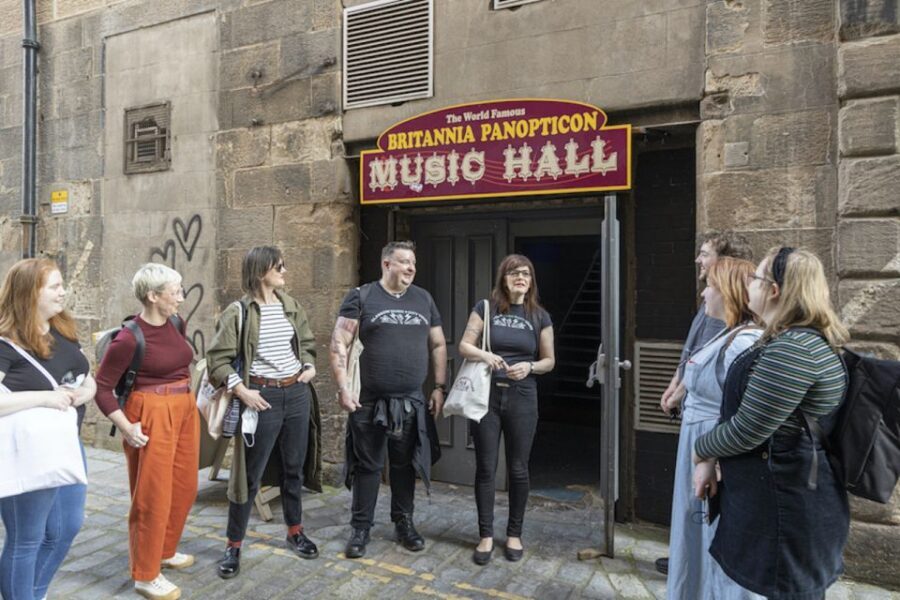
I especially like the stop at the Britannia Panopticon, where you’re not just hearing about the past—you get entry inside. I also love how the tour keeps the focus on music across styles, from folk and punk to pop and rock, while tying it all back to place.
One consideration: it’s packed with band talk and scene references, so if you’re newer to Glasgow’s music catalog, you might feel a bit out of your depth at moments. Still, it’s designed to be fun even if you’re not a hardcore expert.
In This Review
- Key things I’d circle before you go
- Starting at The Clutha/Victoria Bar: a Glasgow live-music mood-setter
- Why the Britannia Panopticon stop is the tour’s anchor
- Barrowland Ballroom and the Barrowland Pathway: where memories are the main attraction
- Genres on one route: folk, punk, pop, and rock in the same conversation
- Merchant City meets the East End: walking the side of Glasgow you usually skip
- New life for old venues: how the tour reads Glasgow’s changes
- The street-to-stage arc ends at Mono Café Bar
- Price and value: why $26 can be a good deal here
- Who this tour fits best (and who might want a different style)
- What to wear and bring for this 2-hour walk
- Book with confidence: your quick decision checklist
- FAQ
- How long is the Past and Present Music Tour?
- Where does the tour meet?
- What’s included besides the walking tour?
- Where does the tour end?
- What language is the tour guide?
- Do I need to be a music expert to enjoy it?
- Is the tour suitable if I have trouble with stairs or inclines?
- What should I wear?
- Is cancellation free if my plans change?
- Is there a pay later option?
- Is this tour only for people who like one genre?
- Should you book this Glasgow music tour?
Key things I’d circle before you go
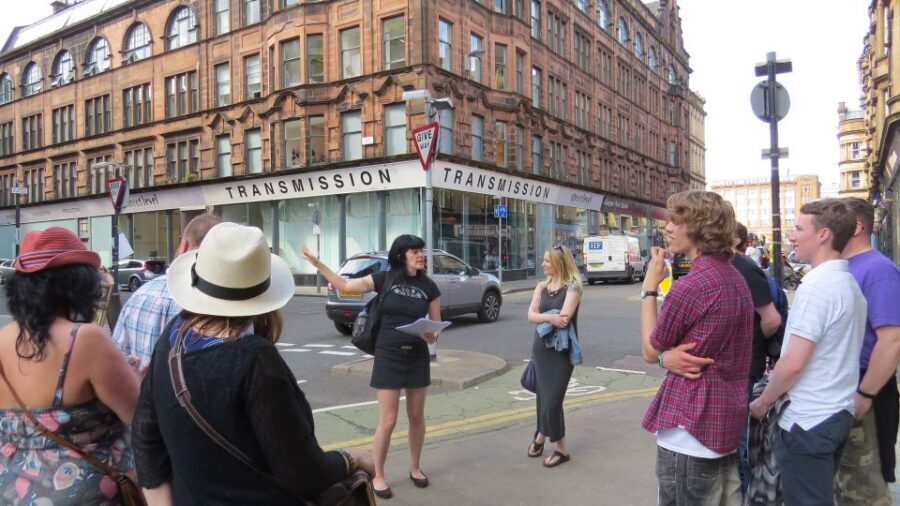
- Britannia Panopticon visit included: You’ll step into Britain’s oldest surviving music hall.
- Barrowland Ballroom stories: Expect tales that sound like they came from the bar after the encore.
- Barrowland Pathway memories: The tour uses nearby spots to connect the dots of past gigs.
- Multiple genres, one city: Folk, punk, pop, and rock all get their turn.
- Artists and musicians connection: You’ll hear how the visual arts community intersects with bands.
Starting at The Clutha/Victoria Bar: a Glasgow live-music mood-setter
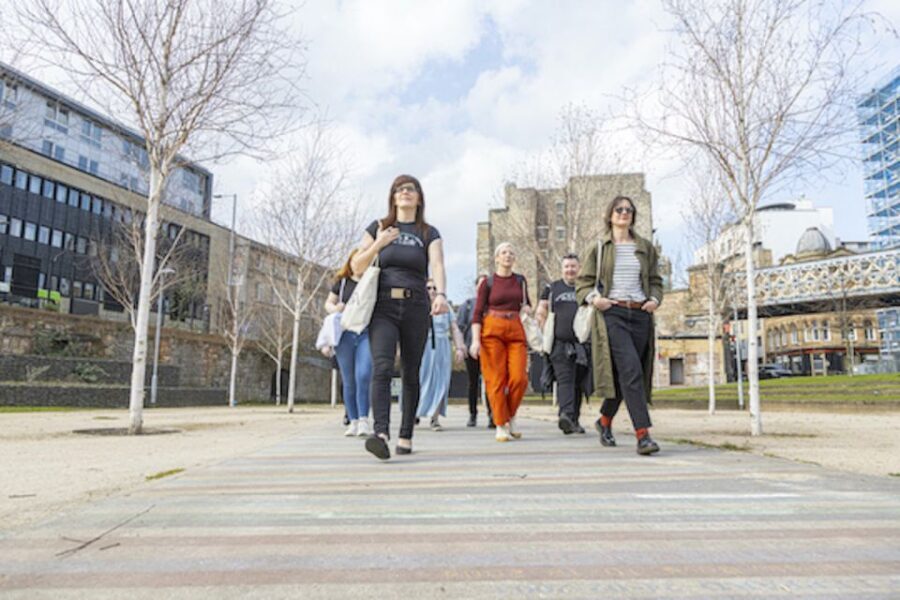
The tour begins outside The Clutha/Victoria Bar on Stockwell Street (167 Stockwell Street, G1 4SP). That matters more than you might think. This isn’t a museum-style tour starting at a landmark and then drifting away from real music culture; it starts in the kind of place locals use as a social hub—where stories sound natural, not rehearsed.
From the first minutes, the tone is built for recall: tall tales, funny stories, and fond recollections of great gigs. That combination works well whether you’re a casual listener or you like to compare eras of a scene. It also helps you get oriented fast, because you’re learning the city while you’re walking it.
If you’re sensitive to stairs and inclines, plan ahead. The tour notes there will be both, so bring shoes you can move in without turning the outing into a careful shuffle.
Other Merchant City and music tours we've reviewed in Glasgow



Why the Britannia Panopticon stop is the tour’s anchor
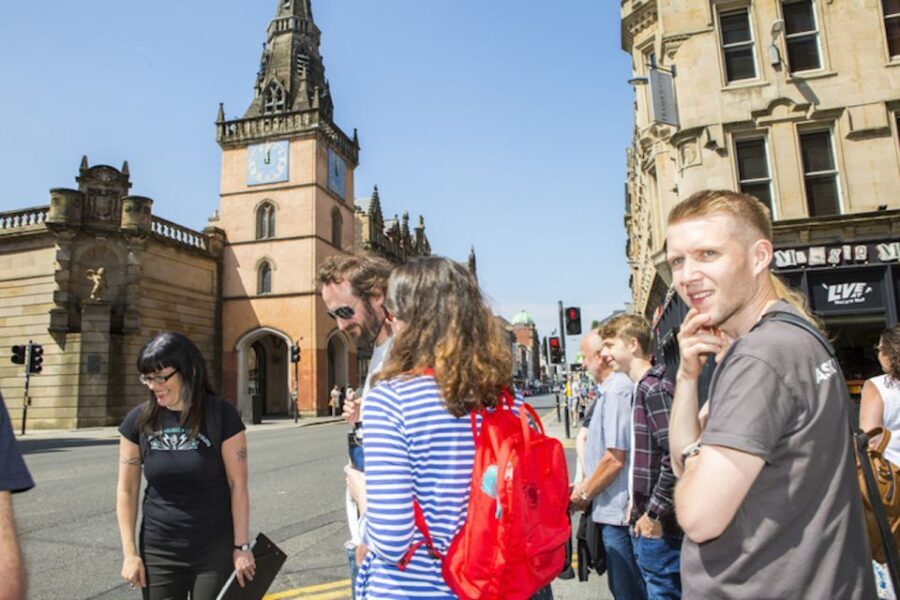
The Britannia Panopticon is a headline act on its own: it’s described as the UK’s oldest music hall (and Britain’s oldest surviving music hall). And the big practical win is that entry is included, so you get more than background facts.
When a venue like this is still standing, it shapes how stories land. You can compare the sound-and-light expectations of modern gigs with the older showmanship vibe a music hall brings. Even if you don’t know the specific acts people associate with it, the building itself helps you understand what made those nights feel different.
This stop is especially valuable if you care about how entertainment venues evolve rather than disappearing. The tour’s overall message includes how veteran venues have found a new lease of life, and Britannia Panopticon is a perfect example of that continuity.
Barrowland Ballroom and the Barrowland Pathway: where memories are the main attraction
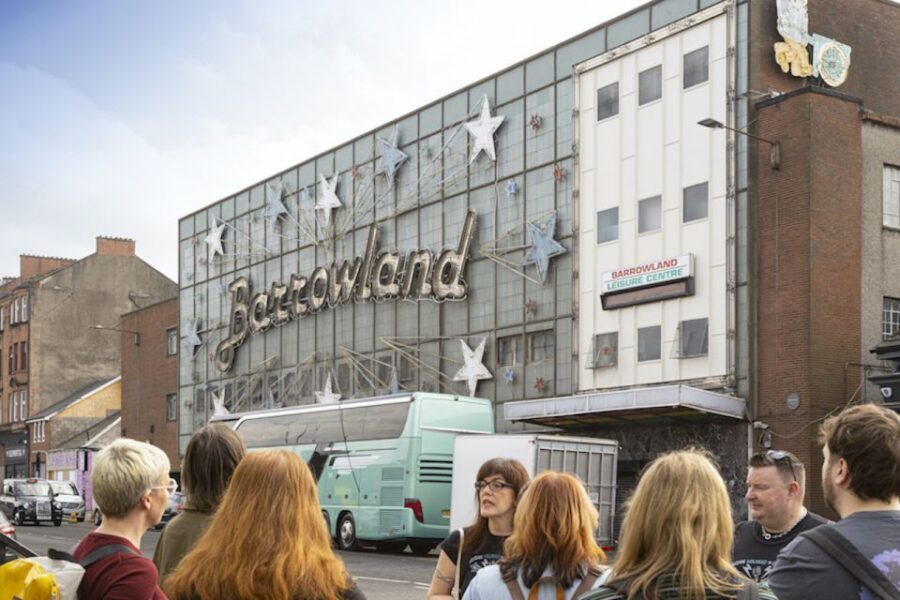
Next comes the Barrowland Ballroom, one of Glasgow’s most legendary rooms. You’ll hear tales about it, plus stories connected to the Barrowland Pathway—a way of linking the venue’s history to the streets and routes people took to get there.
What I like about focusing on a place like this is that it turns music history into lived routine. It’s not just dates and names; it’s the sense of arrival, the gathering energy, the build-up before the doors open, and the way venues become part of local memory.
A tour like this is at its best when the guide can balance the hype with humor and specificity. The guidance here has a track record of that kind of delivery—names like Phil and Fiona come up in positive feedback, both praised for making the stories both engaging and human.
Genres on one route: folk, punk, pop, and rock in the same conversation
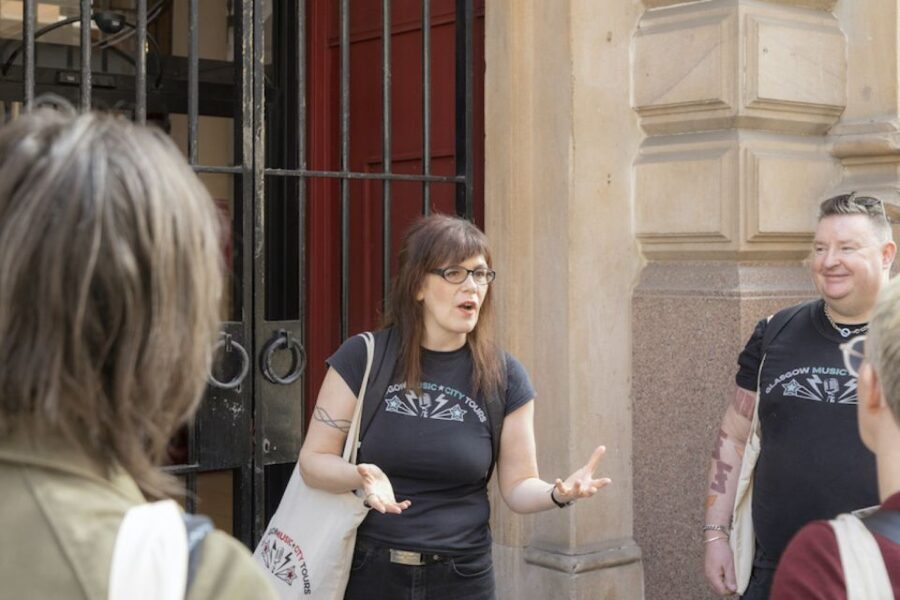
Most music tours pick a lane. This one doesn’t. It moves across genres, including folk, punk, pop, and rock, and frames them through Glasgow’s shared scene rather than treating each style as a separate world.
For you, that means you don’t need to arrive with the exact band list memorized. The tour is built around interpretation: what venues and neighborhoods supported different kinds of music, and why the city’s sound kept changing without losing its identity.
If you do have a favorite genre, you’ll still get value. The tour doesn’t flatten everything into one sound. Instead, it uses contrasting stories to show how different communities found their footing in the same streets.
Merchant City meets the East End: walking the side of Glasgow you usually skip
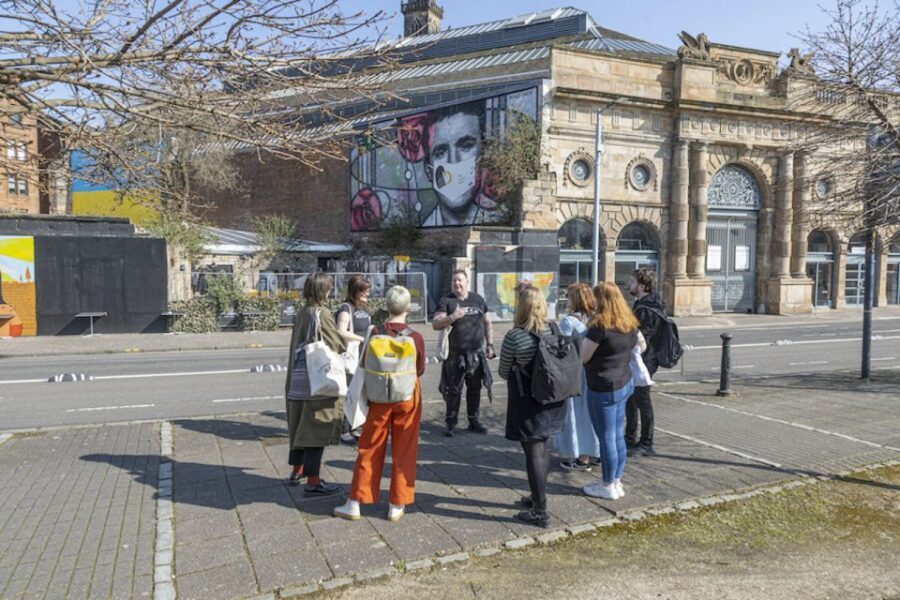
A key promise is that you’ll walk the older streets and avoid the usual tourist trail. That’s a good target. Glasgow’s music culture didn’t grow on the sanitized edge of town. It grew where people actually lived, worked, practiced, argued, and formed friendships.
By moving through Merchant City and the East End, you get a sense of how entertainment spaces cluster with other creative life. The tour also highlights the relationship between the city’s visual arts community and its musicians. That’s a useful lens because it explains why Glasgow produced musicians who weren’t only writing songs—they were part of a wider creative ecosystem.
And yes, the conversation can stretch beyond music into art and even politics. One guide-led story thread specifically mentions that crossover, which is great if you like your gig history with a bit of context.
Other city tours we've reviewed in Glasgow



New life for old venues: how the tour reads Glasgow’s changes
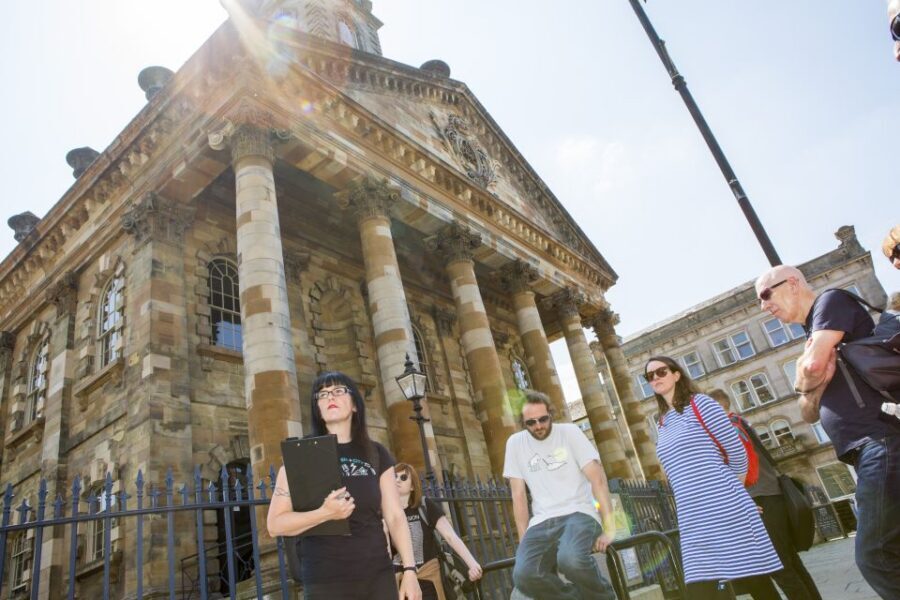
A lot of tours stop at the past. This one pays attention to what’s still happening. During the walk, you’ll hear how veteran venues have gained a new lease of life and how the scene keeps growing with newer, noisier upstarts.
That matters because music history isn’t just nostalgia. It’s also about why communities renew themselves. When a city keeps producing new musicians and new venues while still honoring older rooms, the scene stays active instead of becoming a theme park.
If you like practical takeaways, treat this section like a checklist of what to listen for in any city: look for where venues get refreshed, where artists collaborate, and where new audiences get welcomed. Glasgow’s story gives you a model.
The street-to-stage arc ends at Mono Café Bar
The tour finishes at Mono Café Bar. Ending in a café-bar makes sense for two reasons. First, it gives you a calm landing spot after walking and story time. Second, it sets you up for an easy plan afterward, like grabbing a drink or stretching the evening with local music nearby.
If you’re thinking ahead, this is also where I’d use the momentum of the tour. The guide style described includes empathy and wit—plus practical suggestions. One person highlighted that they were given a tip for a concert that same night and had a great experience with a surprising new band. So if the guide offers recommendations, it’s worth asking for something based on your taste.
Price and value: why $26 can be a good deal here
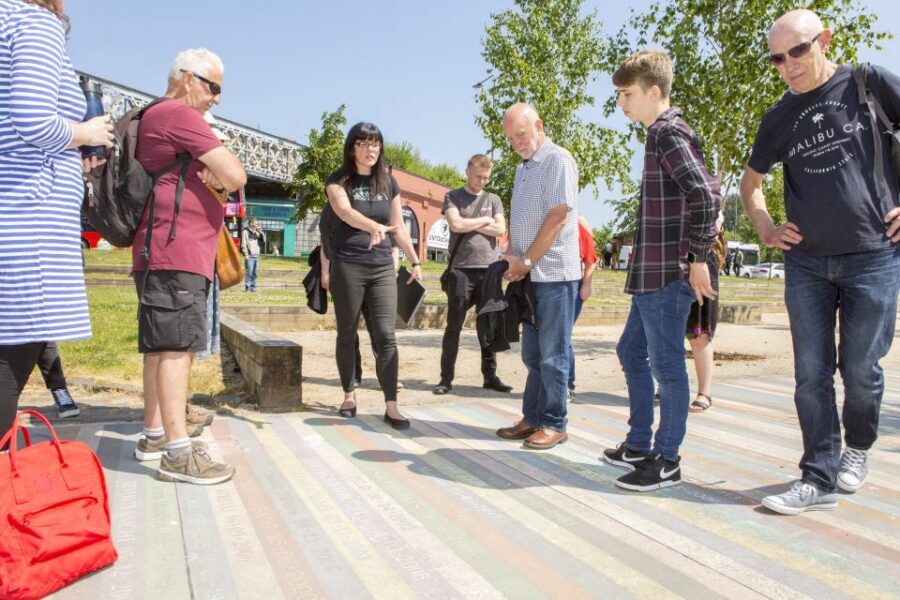
At $26 per person for a 2-hour walking tour, you’re paying for three things:
- Local guidance through a focused route (not a generic hop-on hop-off vibe)
- Story delivery that connects venues to the bigger scene
- Included entry into the Britannia Panopticon
In other cities, entry tickets alone can cost close to that. Here, the value comes from getting both movement (walking between meaningful stops) and access (one paid venue inside the tour). If you’re the type who enjoys learning while you wander and doesn’t want to spend extra time hunting tickets, this pricing structure fits well.
It also helps that the tour has a strong track record, with a 4.8 rating from 19 reviews. That doesn’t guarantee anything, but it does suggest the experience holds up in the real world: people are rating the guide delivery and overall enjoyability.
Who this tour fits best (and who might want a different style)
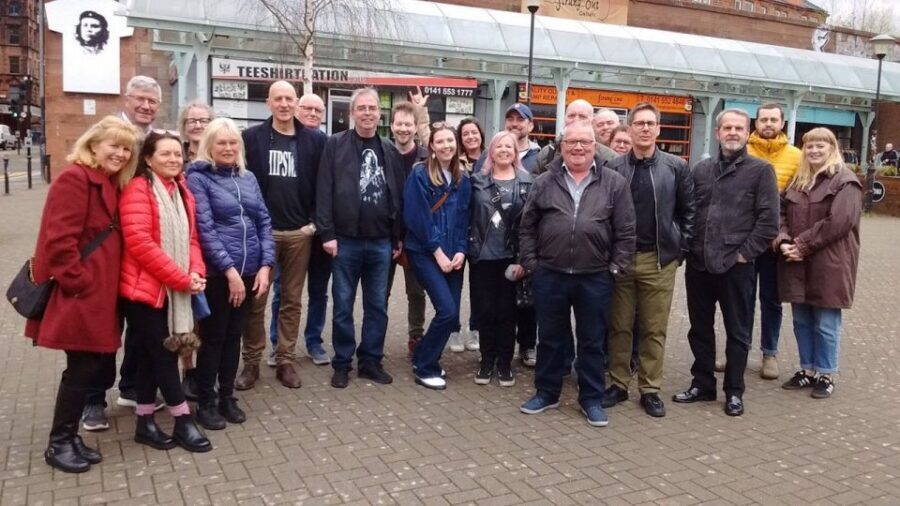
This is a great fit if you:
- Want a Glasgow music scene walk that uses real landmarks like Barrowland Ballroom and Britannia Panopticon
- Prefer stories and context over a strict facts-only approach
- Like a guide who can mix comedy, warmth, and scene details
- Enjoy music history that includes art and everyday culture, not just chart data
You might feel less satisfied if you:
- Only like one tiny slice of genre history and need deep technical music breakdowns
- Expect a calm, super-simplified intro where band references never get specific (some references can land fast)
Still, even in feedback that notes being out of their depth, the overall experience was still enjoyed—mainly because the tour stays entertaining and the guide makes the route easy to follow.
What to wear and bring for this 2-hour walk
The tour recommends comfortable, flat shoes and waterproof clothing, and it’s clear you’ll deal with stairs and inclines. In practice, that means:
- Wear shoes with good grip (Glasgow weather can flip quickly)
- Keep an eye on your footing on stair sections
- Bring a small layer for cool or wet conditions
You don’t need anything fancy. Just set yourself up to walk and listen without constantly checking your balance.
Book with confidence: your quick decision checklist
I’d book this tour if you want a guided walk that turns Glasgow’s music venues into a connected story instead of separate stops. It’s short enough to fit into a busy itinerary, and the Britannia Panopticon entry gives it a concrete payoff.
I’d also consider booking if you like learning through anecdotes. The guide delivery described in feedback—people calling out empathy, wit, and kindness—suggests you’ll be entertained while you absorb scene context.
FAQ
How long is the Past and Present Music Tour?
It lasts 2 hours.
Where does the tour meet?
Meet outside The Clutha/Victoria Bar, 167 Stockwell Street, G1 4SP.
What’s included besides the walking tour?
Entry into the Britannia Panopticon is included.
Where does the tour end?
The tour ends at Mono Café Bar.
What language is the tour guide?
The tour is conducted in English.
Do I need to be a music expert to enjoy it?
No. You don’t need to be a music expert, though the guide may cover lots of band and scene references.
Is the tour suitable if I have trouble with stairs or inclines?
The tour notes there will be stairs and inclines, so it may be challenging if you’re sensitive to that.
What should I wear?
Wear comfortable, flat shoes and waterproof clothing.
Is cancellation free if my plans change?
Yes, you can cancel up to 24 hours in advance for a full refund.
Is there a pay later option?
Yes, you can reserve now and pay later.
Is this tour only for people who like one genre?
No. The tour covers stories from multiple genres, including folk, punk, pop, and rock.
Should you book this Glasgow music tour?
If you want a 2-hour walk that mixes venue access, music-scene stories, and a route through Glasgow’s Merchant City and East End, this one is an easy yes. The included visit to the Britannia Panopticon and the focus on famous rooms like Barrowland Ballroom make it feel more substantial than a typical “look at the building” tour.
If you’re not sure you’ll catch every band reference, don’t worry. Bring curiosity, ask your guide for a recommendation based on what you already like, and treat the stories as your shortcut into Glasgow’s sound.