REVIEW · GLASGOW
Merchant City Music Walking Tour of Glasgow
Book on Viator →Operated by Glasgow Music City Tours · Bookable on Viator
Glasgow sings in street-level places. This music-focused walking tour takes you off the usual tourist track and into the stories behind classic venues, with local guides (including music writers) leading the way through Merchant City. Small group size keeps it personal, and you get a steady stream of songs-and-people context as you walk.
I especially like two things: first, the way the tour links venues to the city’s changing sound—right down to murals and stage legends—so landmarks feel like part of a living soundtrack. Second, the ending around King’s Court pulls it together with theories about why Glasgow developed its own music identity, from Postcard Records to The 13th Note.
One thing to plan around: the stop at Britannia Panopticon is partly story-based right now, since the tour notes that access may not be available (due to Covid). It’s still worth it for the context, but if you’re hoping to go fully inside every listed venue, keep that in mind—also dress for all-weather walking.
In This Review
- Key things to know before you go
- Music in Glasgow’s streets: what this Merchant City tour really gives you
- Price and value: why $27.08 can actually feel like a bargain
- The route: from Clutha Bar murals to King Street’s music theories
- Stop 1: The Clutha Bar (Bridgegate) and the murals that set the tone
- Stop 2: Britannia Panopticon Music Hall—when the story does the heavy lifting
- Stop 3: City Halls & Old Fruitmarket—where a concert changed the rules
- Stop 4: Tron Theatre and the Hellfire Club connection
- Stop 5: Barrowland Ballroom—gig culture made famous
- Stop 6: Barrowland Park and the pathway artwork trail
- Stop 7: St Andrews In the Square—an 18th-century church turned live music venue
- Stop 8: The 13th Note near King Street—why Glasgow sounds like Glasgow
- Your guide and pacing: what the tour feels like in real time
- Comfort, timing, and what to bring (so it stays fun)
- Who this tour is best for (and who should look elsewhere)
- Should you book Merchant City Music Walking Tour of Glasgow?
- FAQ
- How long is the Merchant City Music Walking Tour of Glasgow?
- What does it cost?
- What time does the tour start?
- Where do I meet the guide?
- Where does the tour end?
- Is the tour offered in English?
- Are there admissions fees for the stops?
- Will Britannia Panopticon be accessible during the tour?
- Is any food or drink included?
- Is there free cancellation?
Key things to know before you go
- Local music-writer-led stories: guides share music-scene context, not just building facts.
- Free entry at every stop: the tour lists free tickets for each venue stop.
- Britannia Panopticon may be view-only: great storytelling, but you might not have full access.
- Short, efficient hops: each stop is brief, so the walk stays lively and doesn’t drag.
- A clear finish with theories: the King’s Court area wraps the tour with connections across eras.
- Mono Cafe Bar discount included: you’ll get a voucher for 20% off food after you walk.
Music in Glasgow’s streets: what this Merchant City tour really gives you
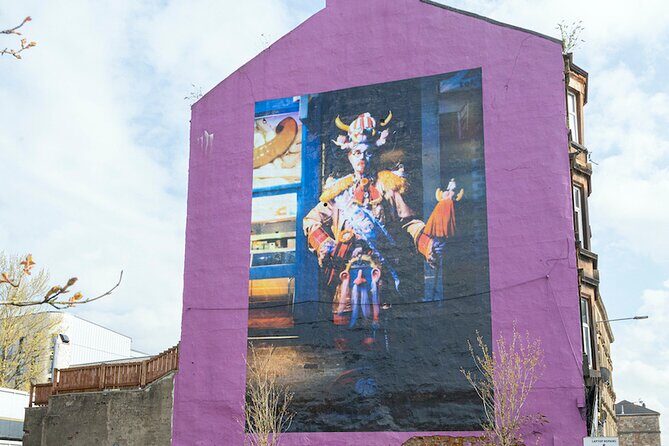
Glasgow can feel big and a little loud at first, but this tour slows it down in the best way: one stop at a time, with the music scene as your guide. Instead of treating the city like a photo scavenger hunt, you learn how places shaped what people listened to, where they performed, and what happened when certain sounds got too loud for the rules.
The group stays small (up to 26), which matters more than you’d think. You get time to hear the story without the usual “walk and wave” tour rhythm. And because the tour is offered in English and uses a mobile ticket, it’s an easy format to slot into your day once you’re in central Glasgow.
I also like that the tour is designed for movement. You’re outdoors for around two hours, moving between eight stops, with a comfort break built in during the pacing. It’s not a marathon, but it is real walking—good shoes help.
Other Glasgow city walking tours we've reviewed in Glasgow

Price and value: why $27.08 can actually feel like a bargain
At $27.08 per person for roughly two hours, this isn’t the kind of tour where you’re just paying for a route map. The value comes from three practical things:
- Free admissions at the stops: the tour lists ticket-free entry for each venue stop.
- A focused guide with music knowledge: guides include people like Fiona (an arts journalist) and Phil, and their job is to connect the dots for you as you walk.
- A usable food benefit afterward: the 20% discount voucher for Mono Cafe Bar can help you turn the tour into an easy lunch plan.
Add in the fact it’s booked ahead fairly often (on average about 25 days in advance), and you get another signal: people tend to plan this one early because it’s a tight, popular way to see Glasgow’s music heritage in a short window.
The route: from Clutha Bar murals to King Street’s music theories
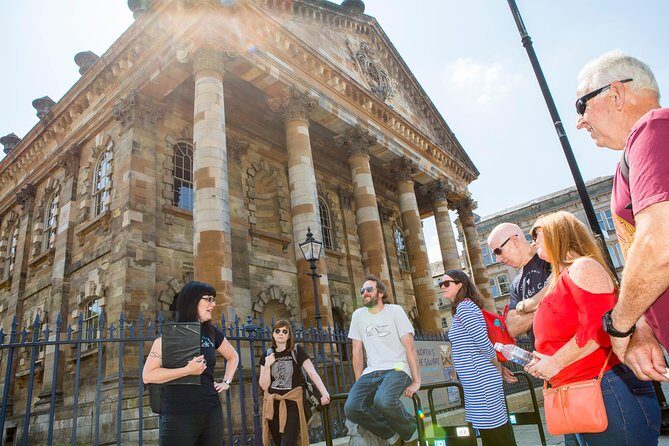
The best part of this tour is the sequence. Each stop is close enough to keep momentum, but different enough that the music story keeps changing as you go. Here’s how the tour plays out, and what to watch for.
Stop 1: The Clutha Bar (Bridgegate) and the murals that set the tone
You start at Clutha & Victoria Bar on Bridgegate. The Clutha Bar is known as one of Glasgow’s best loved live music pubs, and the big visual hook here is the mural coverage—painted scenes that reflect the diversity of the city’s music over time.
What you’ll get: an immediate mood-setter. Before you even hit the next venue, you’ll understand that Glasgow music isn’t one scene. It’s layers: different eras, different voices, and different ways people gathered to listen.
Stop 2: Britannia Panopticon Music Hall—when the story does the heavy lifting
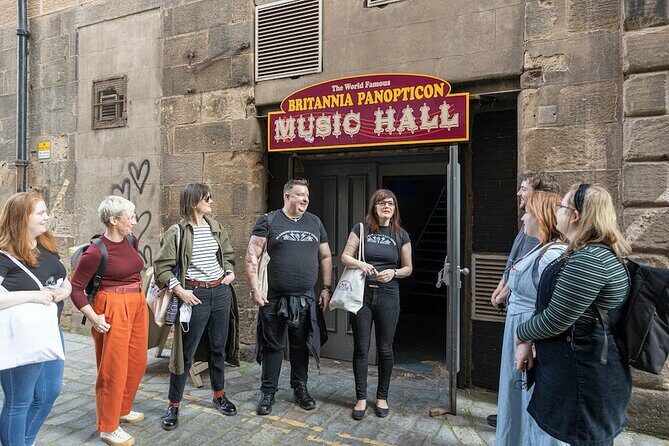
Next comes the Britannia Panopticon, described as Britain’s oldest surviving music hall and a working venue. The tour also points to famous Scottish performers from earlier years, and even mentions stage stars associated with Hollywood-era fame.
Here’s the key practical note: the tour states that due to Covid, access to Britannia Panopticon may not be available at this time. Even so, you’ll still hear the venue’s stories.
My take: this stop is still worth it because you’re not paying to stand in a room. You’re paying for interpretation—how one building can carry many kinds of performance history. But if you’re a visitor who wants to see everything firsthand, don’t expect the door to always be fully open.
Other Merchant City and music tours we've reviewed in Glasgow



Stop 3: City Halls & Old Fruitmarket—where a concert changed the rules
The City Halls and Old Fruitmarket have hosted memorable gigs, including a The Stranglers concert that led to punk rock being banned in Glasgow. That’s the kind of detail that makes a city feel real.
What you’ll notice: the tension between music and authority. This is where the tour shifts from “who played here?” to “what did people do that changed the city?” It’s a quick stop, but the story gives your brain a new way to read the surroundings.
Stop 4: Tron Theatre and the Hellfire Club connection
Then you hit Tron Theatre, now a leading theatre and concert venue. The background story includes a devastating date involving the notorious Hellfire Club.
Even if you don’t know the Hellfire Club tale yet, the tour framing helps. You’ll leave this stop with a sense that Glasgow’s entertainment scene has always been tangled up with bigger cultural undercurrents—power, fear, and public life.
Stop 5: Barrowland Ballroom—gig culture made famous
Barrowland Ballroom is one of those names you hear when people talk about Glasgow gigs with pride. The tour frames it as much loved by local music-goers, with a colorful history tied to the bands that played there.
You’re not spending long here, but it’s one of the stops that gives you energy. If you’re into live music culture, this is where you can picture the audience energy—locals knowing exactly where to be.
Stop 6: Barrowland Park and the pathway artwork trail
After the Ballroom, the tour moves to Barrowland Park. This part is about recognition: pathway artwork highlights acts that played the namesake venue. The tour also connects the space to stories about big names including The Smiths, Simple Minds, David Bowie, and Bob Dylan.
This is a good stop for photos and for taking in the “in-between” Glasgow details. It’s not just the famous venues; it’s the way the city marks them in public space.
Stop 7: St Andrews In the Square—an 18th-century church turned live music venue
St Andrews In The Square is an 18th-century church that now works as a live music venue. The tour points out its lively links to major names in Scotland’s cultural history.
What makes this stop click: it gives you contrast. You’ve been mostly in music-house and gig-culture buildings. Here you get the idea that Glasgow adapted older spaces for sound—keeping the city’s past in the same frame as the next performance.
Stop 8: The 13th Note near King Street—why Glasgow sounds like Glasgow
The tour finishes around King’s Court, where your guide shares theories about why Glasgow developed its unique music scene. The stop area is described as packed with stories across past and present music, with references that include Postcard Records, The 13th Note, and Mono Bar.
This ending is smart tour design. You don’t just get facts; you get a bigger explanation to take home. It’s also a natural launch point if you want to keep exploring afterward, because you’ll already know which names to look up and which streets to walk next.
Your guide and pacing: what the tour feels like in real time
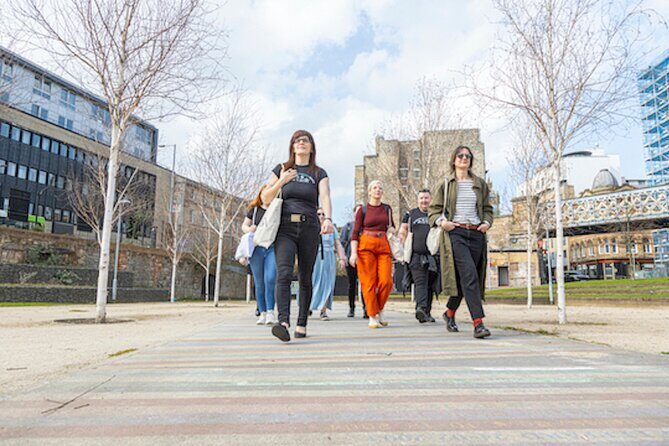
This walking tour is built around a conversation style. The stops are short—think minutes, not half an hour—and the guide keeps the thread moving so you’re not stuck waiting for the next group shuffle.
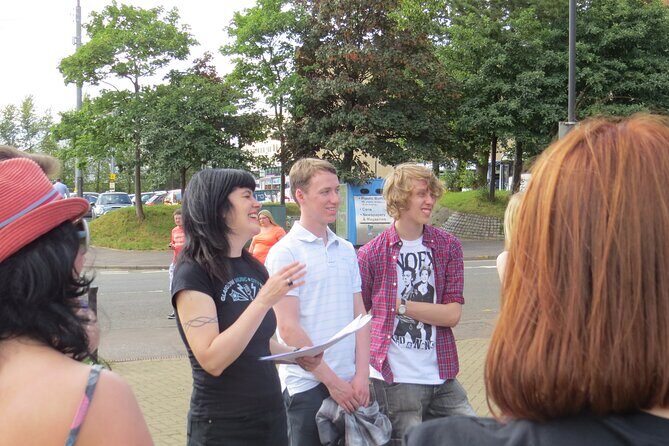
The reviews point strongly toward guide quality. I like that the tour often features arts and music-focused writers, and you can feel the difference when the guide knows how to connect dates, scenes, and venues into a story you can actually remember. Fiona is specifically mentioned as impressive in depth of knowledge, and Phil also gets high praise for sharing not only music culture but the city itself.
What this means for you: you’ll get more than a list of band names. You’ll get reasons why those band names matter to Glasgow and why certain venues became magnets.
Comfort, timing, and what to bring (so it stays fun)

A few practical points make the experience easier:
- The start time is 11:00 am at Clutha & Victoria Bar, 159 Bridgegate (be there about 10 minutes early).
- It runs in all weather, so plan for rain or wind and bring layers.
- It’s designed for most travelers, and you can contact the provider to discuss mobility issues.
Walking-wise, it’s about two hours. Expect street walking between stops, with at least one comfort break built into the flow. If you’re someone who likes to move but also stop for photos, the rhythm should suit you.
And don’t ignore the finish: you end at King Street (King St). That’s convenient for continuing your day—easy to hop into another plan without trekking across town.
Who this tour is best for (and who should look elsewhere)
This is a great fit if you:
- love live music culture and want the context behind the venues
- enjoy walking tours but want a theme that stays consistent
- like learning from local voices, especially people who write and research music
It may not be the best fit if you:
- want long indoor time at every stop (especially since Britannia Panopticon access may be limited right now)
- prefer a more museum-style presentation with fewer street hops
Should you book Merchant City Music Walking Tour of Glasgow?

I’d book it if you’re trying to understand Glasgow’s music scene in a short, fun chunk of time. The pricing works because you’re getting free access to the listed venues, expert storytelling, and a real end-point that ties the whole story together near King’s Court.
I’d pause and choose carefully if you’re only interested in fully entering every venue building, because the tour notes that Britannia Panopticon access may not be available due to Covid. Still, the route is packed with enough stops and enough stories that the tour should feel complete even with that limitation.
If you do book, aim to arrive a touch early at Clutha & Victoria Bar and wear shoes that handle cobbles and sidewalks. You’ll get the best experience when you can focus on the guide’s narrative instead of thinking about your feet.
FAQ
How long is the Merchant City Music Walking Tour of Glasgow?
The tour lasts about 2 hours.
What does it cost?
It costs $27.08 per person.
What time does the tour start?
The start time is 11:00 am.
Where do I meet the guide?
The meeting point is Clutha & Victoria Bar, 159 Bridgegate, Glasgow G1 5HZ, UK.
Where does the tour end?
The tour ends on King Street (King St), Glasgow, UK.
Is the tour offered in English?
Yes, it’s offered in English.
Are there admissions fees for the stops?
The itinerary lists free admission ticketing for the stops.
Will Britannia Panopticon be accessible during the tour?
The tour states that due to Covid, they do not have access to Britannia Panopticon at present, although they will still tell you its great stories.
Is any food or drink included?
Food and drinks are not included unless specified, but you do get a voucher for 20% discount on food at Mono Cafe Bar.
Is there free cancellation?
Yes. You can cancel for a full refund up to 24 hours in advance of the experience’s start time.