REVIEW · GLASGOW
Fun Glasgow City Centre Walking Tour Guided
Book on Viator →Operated by Gallus Pedals · Bookable on Viator
Few cities teach you their mood in two hours.
This guided Glasgow city-centre walking tour is built around turning key landmarks into a clear picture of how the city thinks—past and present. You’ll start at the Donald Dewar Statue and end at Glasgow Cathedral, with a friendly Gallus guide keeping the pace human and the stories actually memorable.
I especially like the mix of orientation + culture, because you don’t just see places—you learn how they connect. I also like that it includes entry at Glasgow Cathedral and The Necropolis, so your walk ends with two stops that many independent plans forget to ticket in advance.
One thing to consider: this is a focused walk with set stops, so if you prefer long wandering time, you’ll likely want to plan extra time right after the tour near the Cathedral.
In This Review
- Key highlights
- Why a Glasgow City-Centre Walk Beats Guesswork
- Quick Facts: What You’re Paying For and Why It’s Reasonable
- Meeting at the Donald Dewar Statue: Get Your Bearings First
- Nelson Mandela Place: Social History in a Short Stop
- George Square: Radical Movements and Modern Glasgow
- University of Strathclyde: Education as a Glasgow Tradition
- Gallery of Modern Art: Where Glasgow’s Personality Shows
- Glasgow Cathedral: The End Point That Feels Like a Finale
- The Necropolis: A Cemetery Stop That Actually Has a Pulse
- The Guide Factor: Gallus Style, Including Connor’s Strengths
- How to Fit This Into Your Day (And Not Feel Rushed)
- Who This Tour Suits Best
- Should You Book This Glasgow Walking Tour?
- FAQ
- Where does the tour start?
- Where does the tour end?
- How long is the tour?
- What language is the tour offered in?
- Is food included?
- Are entrance tickets included?
- How big is the group?
- Is transportation to and from the tour included?
- Is a mobile ticket provided?
- Is the tour suitable for people with service animals?
Key highlights
- Donald Dewar Statue as a quick on-ramp to modern Scotland
- Nelson Mandela Place and George Square for social history and radical movements
- University of Strathclyde for the idea of free education and education’s global impact
- Gallery of Modern Art for Glasgow identity, told in an easy, local way
- Glasgow Cathedral and The Necropolis with admissions included
- Small-group feel (max 20) with photo breaks and humour
Why a Glasgow City-Centre Walk Beats Guesswork
Glasgow can feel like it has layers stacked on layers. In one direction you get grand civic buildings, in another you get working-city grit, and in between you find reformers, artists, students, and ordinary people shaping daily life. A walking tour like this helps you connect those dots without turning your day into homework.
The best part is the pace. You’re not sprinting from stop to stop, and you’re not stuck in one lecture. The plan is structured around short stops—often around 10 to 15 minutes—so you can absorb the key ideas, snap a few photos, and move on while the city is still doing its thing.
And there’s a people-first tone. The tour is led by a Gallus guide (the company behind the walk is Gallus Pedals), and the vibe is described as story-driven, funny, and photo-friendly. In the reviews, Connor is specifically called out for giving a strong blend of history, culture, architecture, and orientation—exactly what you want when you’re trying to understand the DNA of a city fast.
Other Glasgow city walking tours we've reviewed in Glasgow


Quick Facts: What You’re Paying For and Why It’s Reasonable
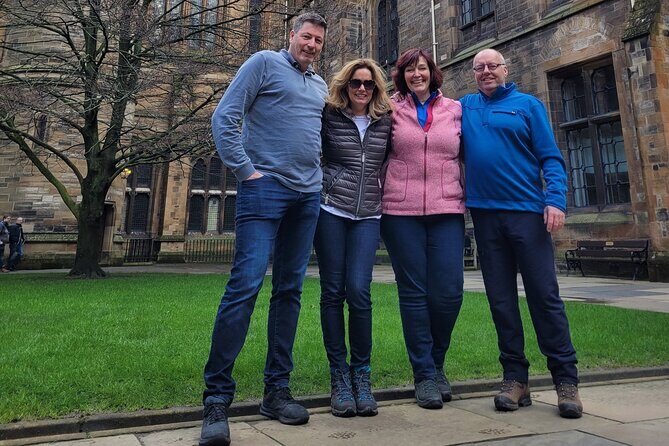
This tour costs $41.15 per person, lasts about 2 hours to 2 hours 10 minutes, and runs in English. It uses a mobile ticket, and it’s capped at a maximum of 20 people—small enough that the guide can actually engage rather than shout into the crowd.
The value piece is the balance between free sights and paid entry. Stops 1 through 5 are marked as ticket-free, and then your final two big stops—Glasgow Cathedral and The Necropolis—include admissions. If you’ve ever planned your own “walk-and-see” day only to realize you still had to buy tickets for the most meaningful parts, you’ll appreciate how this tour handles that.
Also, the company notes group discounts, and the booking is typically made about 81 days in advance on average. That doesn’t mean you can’t book later, but it’s a hint the tour is popular enough that planning ahead helps.
Meeting at the Donald Dewar Statue: Get Your Bearings First
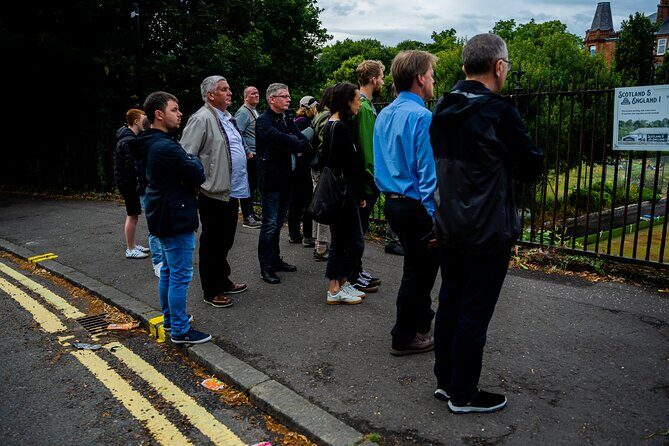
The walk starts at the Donald Dewar Statue on Buchanan Street (Buchanan St, Glasgow G1 2NG). This meeting point isn’t random. The guide introduces contemporary Scotland right away, using the statue as a reference point so the rest of the day doesn’t feel like a disconnected checklist.
Expect a quick tone-setting moment: who matters, what changed, and why that matters when you’re looking at Glasgow’s buildings and public spaces. It’s the kind of start that helps you understand why later stops—like George Square and the Cathedral—aren’t just pretty in photos.
Stop time here is about 10 minutes, and the goal is not deep lecture. It’s more like getting your eyes tuned before the scenery starts moving.
Nelson Mandela Place: Social History in a Short Stop
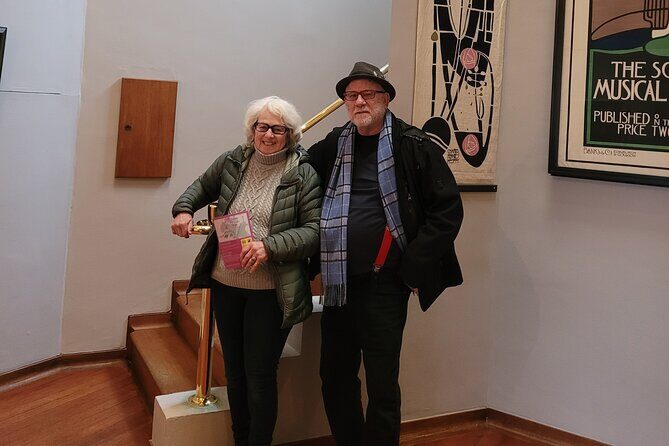
Next you head to Nelson Mandela Place for about 10 minutes. This part of the route is designed for context—your guide explains the social and historical significance of the place, not just what it is.
Glasgow has a knack for public memory: it marks important themes in street-level ways that you can walk right up to. That’s what makes a stop like Mandela Place useful. You don’t need to know everything before you arrive, because the guide is framing it for you in plain language.
A quick timing note: because this stop is short, it’s best if you’re ready to listen while walking and then pause for photos. If you’re the type who takes a long time lining up shots, you might want to hold the deepest photo work for the longer stops later.
George Square: Radical Movements and Modern Glasgow
After that, the tour moves to George Square for about 15 minutes. This is one of the stops where the tour’s “learn the city’s DNA” approach really shows.
You’ll get:
- a historical overview of the square and its role in radical movements
- plus an explanation of contemporary Glasgow
George Square is one of those places where you can feel the city thinking through time. The guide ties older activism and social change to what Glasgow looks like now, which makes the square more than a tourist photo spot. You start to see it as a civic stage—where people gather to argue, organize, and imagine change.
Then there’s also a brief moment to take your best shot of an architectural treasure. The tour keeps it simple: listen, look, then pause for pictures.
If you enjoy urban storytelling—how politics, identity, and design interlock—you’ll likely find this the most satisfying stop in the middle of the walk.
Other walking tours we've reviewed in Glasgow





University of Strathclyde: Education as a Glasgow Tradition

The walk continues to the University of Strathclyde for about 15 minutes. Here the guide highlights a Scottish tradition of free education for all and the way Glasgow’s educational institutions have contributed to the wider world.
What I like about putting an education stop inside a city-centre walking route is that it changes how you view the city. Instead of only focusing on monuments and museums, you see a different kind of influence: the long-term impact of learning, not just landmark events.
This stop is also a good reset. You’ve been moving through squares and public memory. Now you get a more human theme: institutions that shape people who then shape industries, research, and communities.
Expect the guide to keep the tone practical—enough detail to make the idea stick, not so much that you lose the thread.
Gallery of Modern Art: Where Glasgow’s Personality Shows
Next is the Gallery of Modern Art for about 15 minutes. This is one of the tour’s most “Glasgow” moments, because you’re not just learning the building’s history—you’re getting a read on Glasgow and Glaswegians.
Modern art spaces can feel intimidating if you walk in with zero context. A guided stop helps you decode the vibe: why this building exists, why the city supports this kind of creativity, and how it reflects the local temperament.
The guide’s emphasis here is less about identifying specific works and more about understanding the city’s cultural self-image. That means even if modern art isn’t your usual thing, you still come away with a better sense of Glasgow’s values.
This stop also works well for photos, since modern architecture often looks great even without special lighting.
Glasgow Cathedral: The End Point That Feels Like a Finale
The tour ends at Glasgow Cathedral (Castle St, Glasgow G4 0QZ). This is where you get an included ticket and about 15 minutes of guided story time, plus options after the tour.
The guide explains:
- history tied to Glasgow
- and how contemporary culture connects back to the Cathedral
You’ll feel the day clicking into place: social change at George Square, institutional pride at Strathclyde, and now the place that anchors the city’s older identity.
Once the tour concludes, you can stay to explore the Cathedral or your guide can help you walk back to the city centre. Either way, you’ll have the best kind of schedule flexibility: guided context now, self-directed time after.
The Necropolis: A Cemetery Stop That Actually Has a Pulse
After Glasgow Cathedral, the route includes The Necropolis with included admission for about 15 minutes. The tour frames it as arguably Scotland’s most famous graveyard, and the guide adds life to the stories of those buried there.
A cemetery can sound like a downer. This one isn’t treated that way. When a guide connects personal stories to wider social history, the place becomes a window into how people lived, believed, and were remembered.
It also gives your walk variety. Up to this point you’ve had squares, institutions, and galleries. The Necropolis introduces scale and reflection, and you’ll likely notice how the city looks different when you’re not focused on street-level modern life.
If you’re short on time later in the day, you can treat this stop as a “taste” and then return to explore more on your own.
The Guide Factor: Gallus Style, Including Connor’s Strengths
One reason this tour rates so highly is the guide. The provided feedback highlights humour, stories, and strong photo stops. Connor in particular is named as delivering a perfect blend of history, culture, architecture, and orientation—and that combination matters.
In practice, a great guide does three jobs well:
- Makes the city make sense fast
- Keeps it fun without turning it into a joke
- Points you toward what to notice next
When you get that mix, you stop feeling like you’re just collecting landmarks and start feeling like you understand how Glasgow’s pieces connect.
Even if you’re not chasing every fact, you’ll likely walk away with a mental map that helps you explore the rest of the day more confidently.
How to Fit This Into Your Day (And Not Feel Rushed)
Because it’s about two hours, you can pair it with almost any plan. The tour also mentions that you’ll have time to explore Glasgow’s emerging museum quarter at your leisure, or you can walk back with the guide to George Square.
Here’s how I’d plan it:
- If you want more museums after, build in buffer time near the Cathedral area or back toward George Square.
- If you’re hungry, plan to eat after you’re done here—this tour doesn’t include food, and it’s better not to lose story time hunting for lunch.
Walking time and stop time are built into the tour, so don’t schedule tight connections right at the end. Keep the last hour of your day flexible so you can choose whether you want to stay in the Cathedral area or keep moving.
Who This Tour Suits Best
This is a great pick if you:
- want Glasgow city-centre orientation without overplanning
- enjoy history told through real places
- like photo stops with a simple structure
- want a mix of civic life, education, art culture, and architectural landmarks
It’s also ideal for first-time visitors who want a fast start. If you already know a lot about Scotland and Glasgow, you might still enjoy it for the guided connections—especially around the shift from social history to contemporary identity.
If you hate group pacing or prefer total freedom, consider reserving the self-guided version of a Cathedral and Necropolis visit instead. This one is guided and structured by design.
Should You Book This Glasgow Walking Tour?
If you want a high-value, guided introduction to Glasgow with included ticket stops, this tour is an easy yes. The price makes sense when you factor in Glasgow Cathedral and The Necropolis admissions, plus the amount of context you get at key locations like George Square and the University.
Book it if you like your city tours with stories, humour, and a clear route. It’s built for people who want to understand the city quickly and then keep exploring on their own—without feeling lost.
Skip it only if you know you won’t enjoy a stop-by-stop walk. Otherwise, this is a smart way to turn a short day into real understanding of Glasgow’s character.
FAQ
Where does the tour start?
The tour starts at the Donald Dewar Statue on Buchanan St, Glasgow G1 2NG, UK.
Where does the tour end?
The tour ends at Glasgow Cathedral on Castle St, Glasgow G4 0QZ, UK.
How long is the tour?
It runs for about 2 hours to 2 hours 10 minutes.
What language is the tour offered in?
The tour is offered in English.
Is food included?
No. Food and drinks are not included, though the provider can recommend places nearby.
Are entrance tickets included?
Admissions for Glasgow Cathedral and The Necropolis are included. The earlier stops are listed as admission ticket free.
How big is the group?
The tour has a maximum of 20 travelers.
Is transportation to and from the tour included?
No. Transportation to and from the meeting and end points is not included.
Is a mobile ticket provided?
Yes. You’ll receive a mobile ticket.
Is the tour suitable for people with service animals?
Yes. Service animals are allowed.