REVIEW · GLASGOW
From Glasgow: Standing Stones, Castles & Highlands Tour
Book on GetYourGuide →Operated by Experience Scotland's Wild · Bookable on GetYourGuide
Five thousand years of stones in one day. This Glasgow to Scottish Highlands trip mixes ancient standing stones with castle stops, plus a few calm walking breaks that make the whole day feel more human than rushed. I love the small group size (up to 8), because you get more time at each place and less waiting around on the bus.
My other favorite part is the way you jump between eras: Inveraray Castle with Jacobite-era stories, then out to the ruins at Kilchurn Castle for that hands-on walk. One consideration: you do need a moderate fitness level for a short hike and walking on uneven ground, so wear proper shoes and don’t plan on rolling through in light sneakers.
In This Review
- Key things I’d circle in your planning
- From Buchanan Bus Station to the Highlands in a single day
- Luss and Loch Lomond’s western shore: the scenic warm-up
- Inveraray Castle and Jacobite-era details you can actually picture
- Loch Fyne and seals: a change of mood after the castle
- Dunadd Fort: the early Scotland stop that ties the day together
- 5,000-year-old standing stones: what to watch for in the moment
- Kilchurn Castle ruins walk on Loch Awe: the best hands-on break
- Timing, transport, and comfort: what the 11 hours really means
- Who this tour suits best (and who should think twice)
- Booking advice: should you take this Glasgow to Highlands day trip?
- FAQ
- Where does the tour start and end?
- How long is the tour?
- What’s the group size?
- What is included in the price?
- What’s not included?
- Will I be able to buy lunch?
- Is Inveraray Castle always open?
- How much walking is involved?
- Is the tour suitable for people with mobility issues or wheelchair users?
- Can I bring alcohol on the tour?
Key things I’d circle in your planning
- 5,000-year-old standing stones and burial cairns tied together with guide-led explanation
- Small group (max 8) that keeps the day moving at a comfortable pace
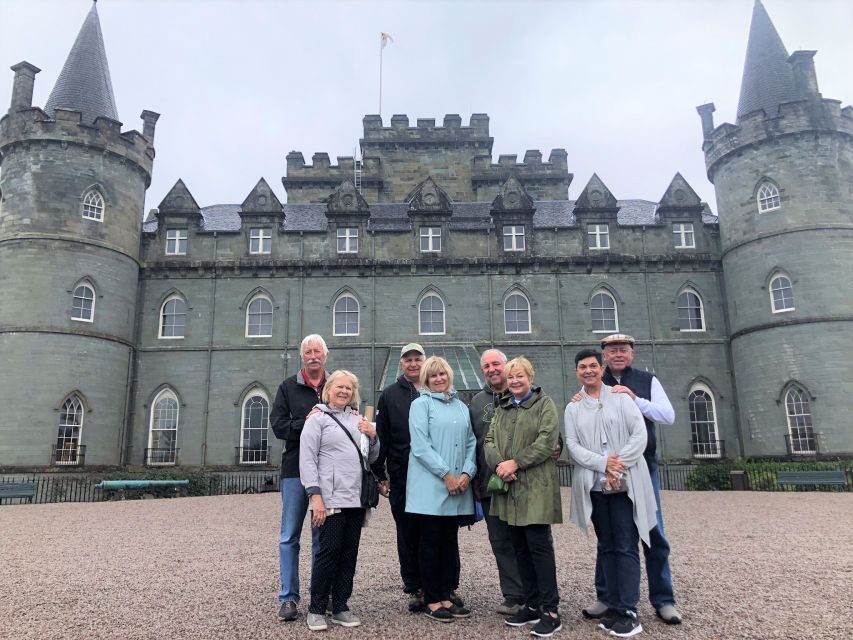
- Inveraray Castle grounds and Jacobite details you won’t get from drive-by photos
- Loch Lomond + Trossachs Park views from the western shore with scenic stop points
- Kilchurn Castle ruins walk on the banks of Loch Awe, plus the lightning legend
- Dunadd Fort context (AD 683 onward) to help you connect early Scottish history
From Buchanan Bus Station to the Highlands in a single day
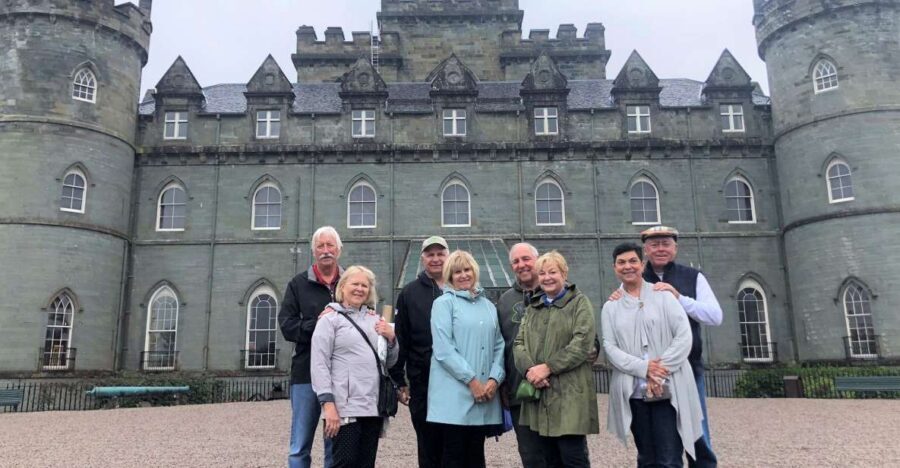
This is a full-day tour that runs from Glasgow’s Buchanan Bus Station Taxi Rank. Plan to check in 15 minutes early so your guide can depart on time. You’ll ride in an air-conditioned vehicle with an experienced local guide, and the group stays intentionally small at up to 8 people, which matters more than it sounds.
The day is structured like a story: you start with scenery around Loch Lomond, then move into Argyll for the big castle hit at Inveraray, then keep going west and north into deeper history around Loch Fyne, Dunadd Fort, and the oldest stone sites of the trip. By the end, you’re back along the Loch Lomond area returning to Glasgow.
Price-wise, it’s $106 per person for roughly 11 hours, transport, a guided hike, and the main guided stops. Food and admission fees are extra, but you do get a lot packed into one day without the churn of huge coach tours.
Other Scottish Highlands tours we've reviewed in Glasgow

Luss and Loch Lomond’s western shore: the scenic warm-up
You begin with a stroll around Luss, a simple-looking stop that works well as a reset. It’s a quick chance to stretch your legs and get your bearings before the day turns into castles and ancient sites.
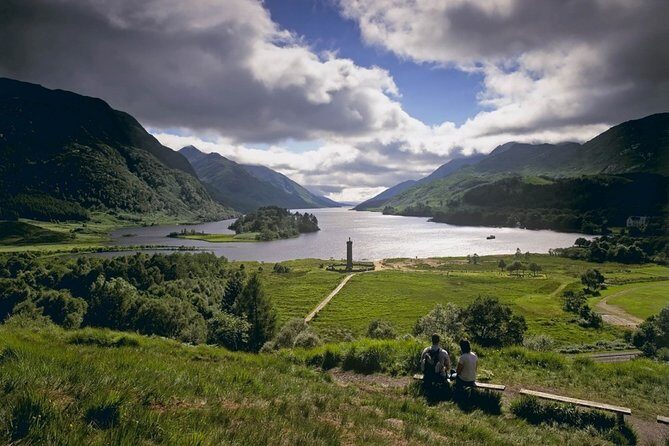
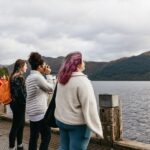
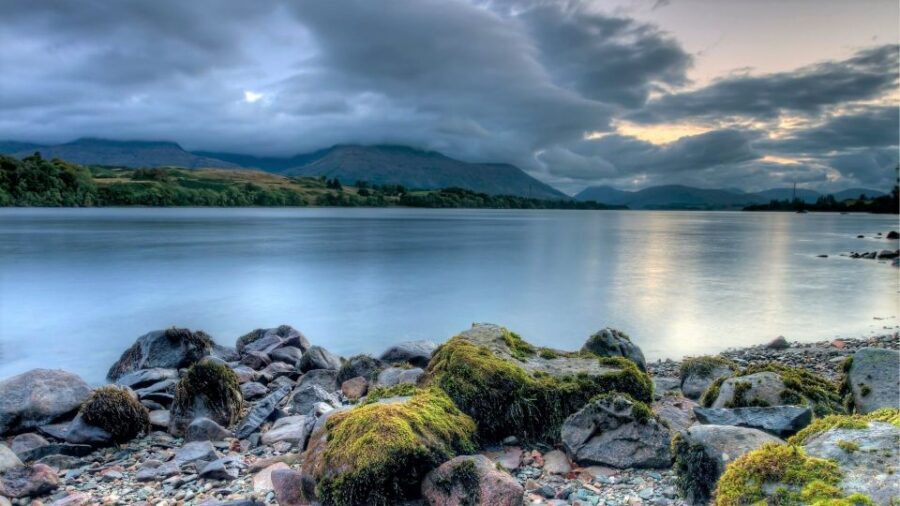
Then the tour leans hard into Loch Lomond & The Trossachs National Park, especially the western shore. You’ll relax on the drive while your guide pulls the bus over at viewing points. You’re not just sitting there watching out a window; you get actual moments to take in the water and hills and to understand why this area has such a strong hold on Scotland’s imagination.
This part is also a good reality check for planning the rest of the day. If the weather is decent early, you’ll bank those photos and then you can focus on the ruins and stonework with fewer distractions later.
Inveraray Castle and Jacobite-era details you can actually picture
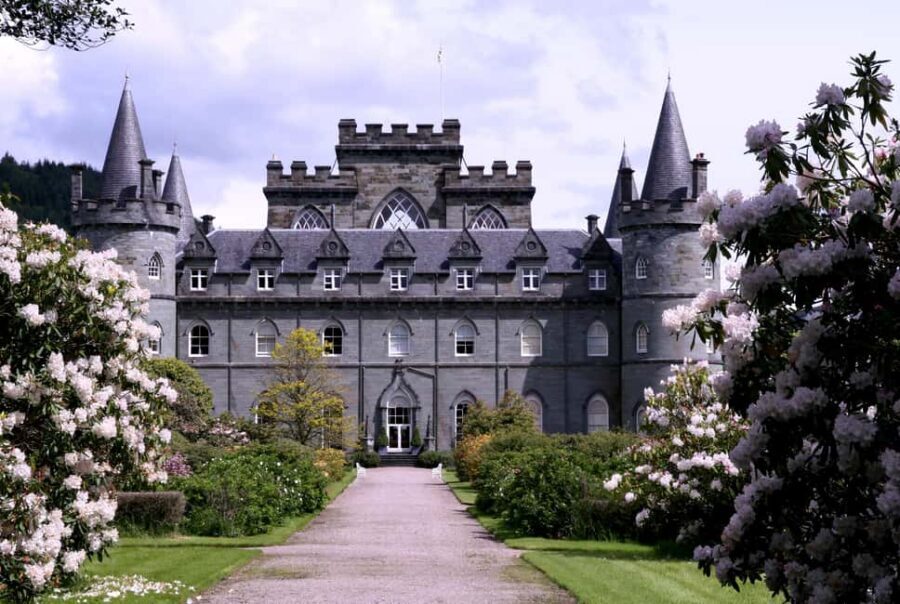
When you reach Argyll, the main castle stop is Inveraray Castle, described as Gothic. This is not just a pretty building on a hill; the guide helps you connect it to the Jacobite uprising and the rifles used against Jacobite soldiers. That kind of storytelling is what makes a castle visit click, especially if you’re the kind of traveler who likes context, not just dates.
You’ll also have time to roam the castle’s grounds, including gardens spread across 16 acres. You can expect a lot of time outdoors here, so if you tend to get chilled easily, bring layers even in shoulder seasons.
Important seasonal note: Inveraray Castle is closed from 1st November to 31st March. In that window, you still get Inveraray town (built in the 1700s) and then spend more time at the historical locations later in the day. So the tour doesn’t fall apart in winter, but the castle portion shifts.
One more practical thing: admission fees are not included, so if Inveraray’s ticket is part of what you want most, budget for it before you go.
Loch Fyne and seals: a change of mood after the castle
After Inveraray, the day turns toward the coast and sea lochs. As you travel along Loch Fyne, keep an eye out for swimming seals. It’s a small detail, but it’s exactly the kind of wildlife moment that breaks up a long history-and-stone schedule.
This stretch also gives you a sensory contrast. Castles and standing stones are heavy on the past; Loch Fyne brings you back to the present with real water, wind, and movement. Even if you don’t spot seals, the drive still gives you the feeling that you’re moving through varied Scotland, not repeating the same scenery for 11 hours.
Dunadd Fort: the early Scotland stop that ties the day together
You’ll travel past Dunadd Fort, which the guide frames as one of the sites tied to early Celtic kings. It’s first recorded in AD 683, and it’s believed to have been an important stronghold for Dál Riata.
This stop matters because it helps you connect the dots between what you see later: the stone circles and monolithic standing stones aren’t random tourism. They’re part of a much longer timeline, and Dunadd is where that timeline starts to feel less abstract.
Also, the way the tour approaches it is practical. Instead of turning it into a lecture, the guide uses the site’s position and history to explain how these places fit into how Scotland formed and expanded connections across the Irish Sea.
If you like feeling that your visit is grounded in geography, this is one of the stops that will feel most satisfying.



5,000-year-old standing stones: what to watch for in the moment
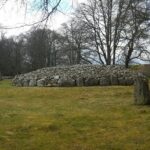
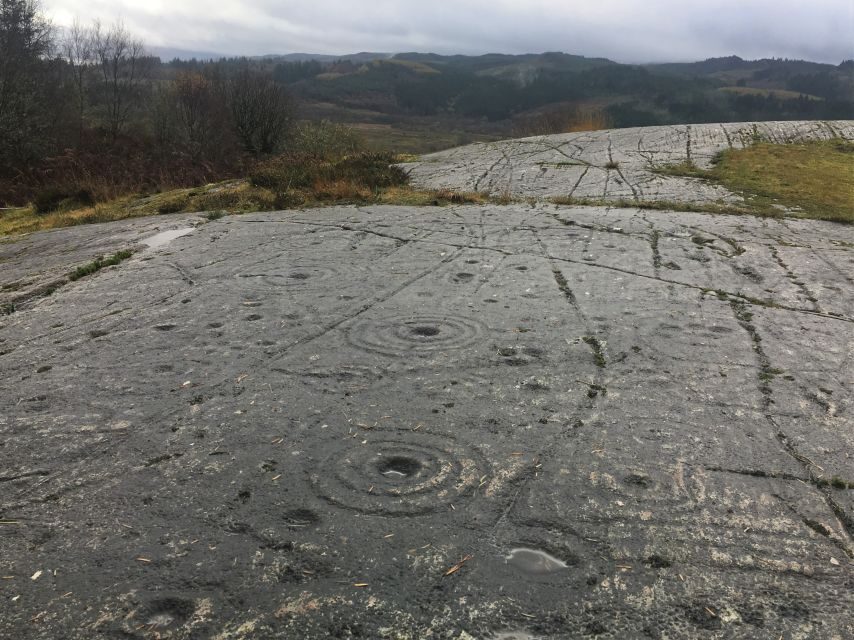
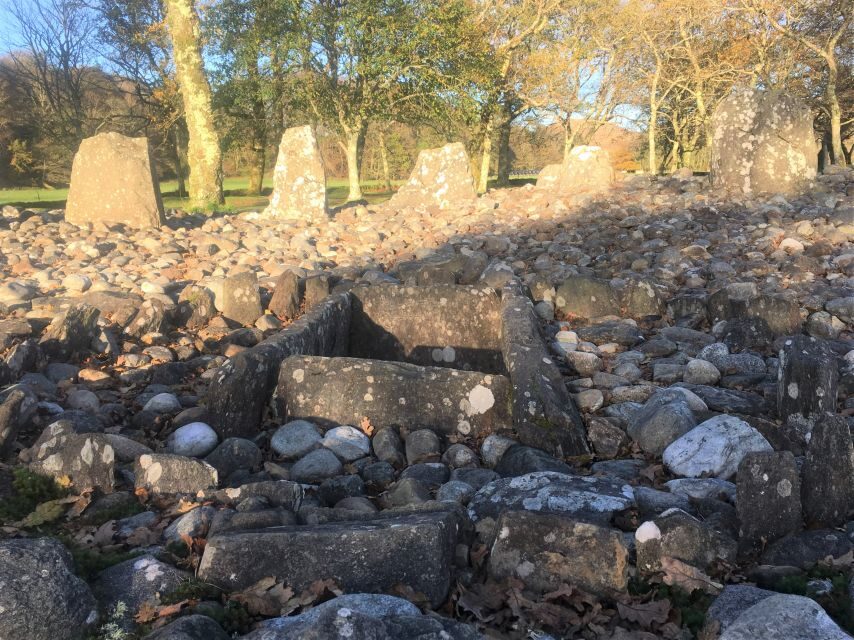
The tour’s signature ancient stop is a collection of monolithic standing stones, stone circles, and burial cairns, believed to be over 5,000 years old. This is the part of the day where you slow down, not because time stops, but because the sites demand attention.
The guide encourages you to think like a story character from Outlander, framing the experience around a sense of discovery. You don’t need to be a fan to enjoy it, but the playful angle helps you stay present instead of treating the stones like a checklist item.
What I suggest you do here:
- Look at the stones as objects, not just photos. Notice how they sit in the ground and how the shapes relate to their setting.
- Ask the guide to connect the stones with burial cairns and circles, because that’s the thread that makes the site feel coherent.
- Take a real pause. These sites work best when you give your brain a minute to settle.
This stop is also one of the best reasons to pick a small-group format. You’re not elbow-to-elbow, and you’re more likely to get time to ask questions without rushing.
Kilchurn Castle ruins walk on Loch Awe: the best hands-on break
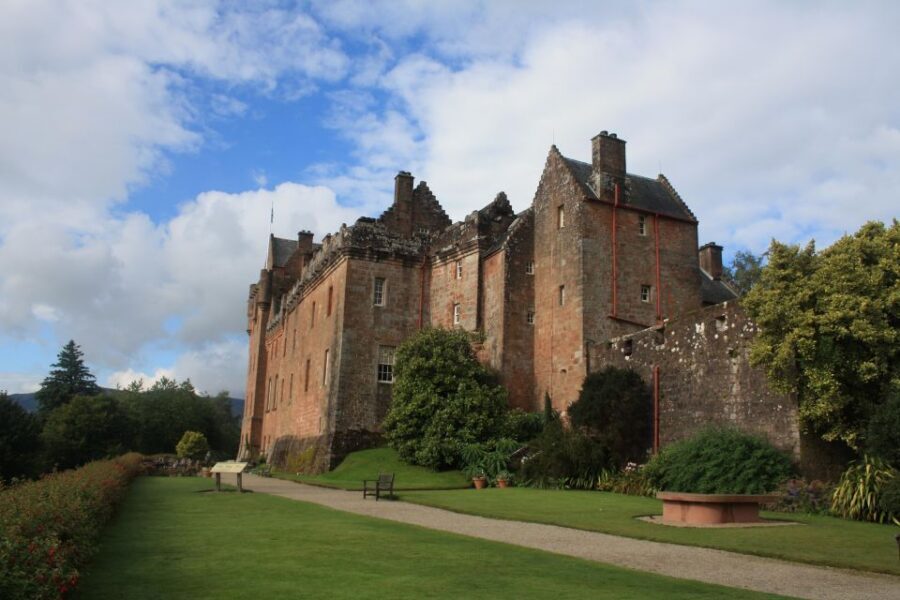
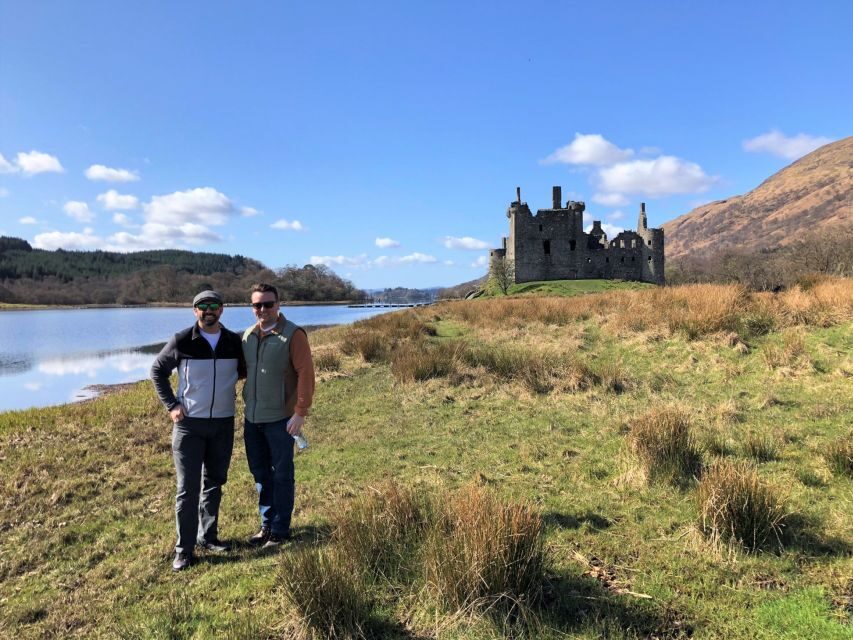
Next up: Kilchurn Castle, a former fortress on the banks of Loch Awe. You don’t just see it from a distance. The tour includes a short walk out to Kilchurn Castle ruins, and that walking piece is a big part of why the stop feels special.
The ruins give you that satisfying “stand close and study it” feeling. Even without interior access, you can trace where parts once sat, where openings likely were, and why the location mattered.
There’s also a local legend: a rumor that the castle was destroyed by lightning, especially if you spot thunderous clouds in the sky. Even if the story is just folklore, the point is that your guide is paying attention to the same weather cues you are, which keeps the visit playful while still respectful of history.
The walking is not a marathon, but it is real. If you’ve got any ankle issues or if you’re not used to uneven outdoor ground, think about how you’ll handle a short hike plus castle-ruin paths.
Timing, transport, and comfort: what the 11 hours really means
This is built as a packed day, and the bus times reflect that. You’ll have stretches of riding in between stops, including several coach segments that add up to a full schedule. The upside is you don’t have to plan transit between far-flung sites yourself.
The vehicle is air-conditioned, which is a comfort upgrade when you’re dealing with long drives. And because the group is small, you tend to move with less crowd management. That’s also why guide attention matters. In past groups, guides like Lauren, Jim, Yvonne, Laura, Derek, and Calum/Callum have been praised for pacing, reading the group’s energy, and explaining what you’re seeing in a way that doesn’t feel like a script.
Food is on you. The tour includes a cafe where you can purchase lunch, but admission fees and meals are not included. If you’re someone who gets hungry fast, plan to eat when the tour gives you that chance rather than waiting until you’re back in Glasgow.
Who this tour suits best (and who should think twice)
This day trip is a strong fit if you want a lot of variety without changing hotels. You’ll get ancient sites, castle time, and Scottish scenery with real stops—without needing a rental car.
It’s also a good option if you’re traveling from Glasgow and want a guided route that hits key historic themes: early Scotland (Dunadd), Jacobite-era context (Inveraray), and then the oldest ceremonial landscape (standing stones and cairns).
Who should think twice:
- If you have mobility impairments or need wheelchair access, this is not suitable based on the tour’s stated limitations.
- If your fitness is low, you may find the short hike and walking difficult, especially around ruins and stone sites.
- If you’re traveling with kids, it’s not suitable for children under 12.
Booking advice: should you take this Glasgow to Highlands day trip?
Yes, I’d book it if you want one day that feels like Scotland is turning pages: Loch Lomond for atmosphere, Inveraray Castle for stories tied to the Jacobite era, Loch Fyne for a coastal mood shift, and then 5,000-year-old stones plus a Kilchurn Castle ruins walk for tangible history.
I’d think harder before booking if you hate walking on uneven ground or if you’re counting on indoor castle time at Inveraray during winter, since the castle is closed from 1st November to 31st March. Still, that seasonal shift keeps the day moving with Inveraray town and extra historical time later.
If you book, bring comfortable shoes and weather-ready clothing, and go with the right mindset: this tour rewards curiosity. When your guide can connect each stop into a single story, the day feels bigger than the drive time.
FAQ
Where does the tour start and end?
You meet at the Taxi Rank on the north side of Buchanan Bus Station in Glasgow. The tour ends back at the same meeting point.
How long is the tour?
The tour runs for 11 hours.
What’s the group size?
This is a small group limited to 8 participants.
What is included in the price?
The tour includes transportation in an air-conditioned vehicle, an experienced local guide, visits to standing stones, a walk out to Kilchurn Castle, visits in Loch Lomond & The Trossachs National Park, and a short guided hike.
What’s not included?
Food and drinks are not included, and admission fees to sites mentioned are not included. There is also no hotel pickup or drop-off.
Will I be able to buy lunch?
Yes. The tour includes a cafe stop where you can purchase lunch.
Is Inveraray Castle always open?
No. Inveraray Castle is closed from 1st November to 31st March. During that time, you enjoy Inveraray town (built in the 1700s) and spend more time at historical locations later.
How much walking is involved?
The tour requires a moderate level of fitness. There is a short walk and walking involved at stops like the Kilchurn Castle ruins area.
Is the tour suitable for people with mobility issues or wheelchair users?
No. It is listed as not suitable for people with mobility impairments and not suitable for wheelchair users.
Can I bring alcohol on the tour?
No. Alcohol and drugs are not allowed.