REVIEW · GLASGOW
Glasgow: Stuck in the 90s… A Nostalgic Musical Escape Room
Book on GetYourGuide →Operated by eeek! Escape Rooms · Bookable on GetYourGuide
Put down your phone and chase clues. This Glasgow musical escape room turns a 90s pop legend’s death into a hands-on murder mystery where your team solves puzzles while classic tracks set the mood. I especially like the 1990s soundtrack and the inventive puzzles that feel made for problem-solvers, not just button-pressers. One thing to plan for: it’s rated Brain Bruiser, so if you hate being challenged under time pressure, you may find it a bit intense.
You’ll get 75 minutes with a small team (2–5 players) in English, starting with clear instructions from the host. The setting leans hard into 90s style and props, and the story keeps moving: you’re trying to figure out who killed Blade Heart before the truth reaches the police.
In This Review
- Key things to know before you go
- Stuck in the 90s in Glasgow: the murder case you’ll actually want to solve
- The 90s studio vibe: music, props, and clues in the same breath
- Your 75-minute game flow: what happens from briefing to final answer
- Puzzles and hints: how Brain Bruiser feels in real life
- Value check: is $37 per person worth your Glasgow night?
- Getting there: eeek! Escape Rooms Glasgow and easy station access
- Small-team dynamics: 2–5 players works better than you think
- Who should book, and who should skip it
- Tips to solve Blade Heart faster (without ruining the fun)
- Should you book this Stuck in the 90s escape room?
- FAQ
- How long is the escape room experience?
- How many players can go in a group?
- What’s the theme like?
- Is it suitable for kids?
- Who is the host and what language is used?
- What should I wear?
- Are food, drinks, or photos allowed?
- Where is the meeting point and how do I get there?
Key things to know before you go
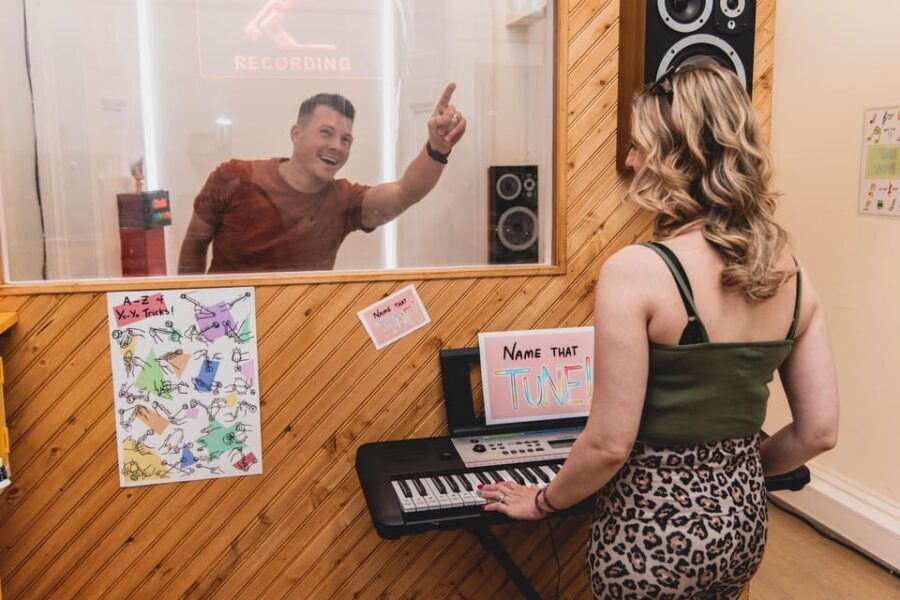
- 90s music theme, not a gimmick: the songs are part of the fun, tied to how you think through clues
- A real case file: you’re hunting the killer behind Blade Heart’s studio death
- Team-first puzzles: good for pairs and small groups, because roles tend to form naturally
- Hints are there, but not for free: the host can step in when you stall
- Small time window: you’ll feel the clock at about the mid-point, so keep talking and checking notes
- Tightly focused duration: you’re out in 75 minutes, which makes planning Glasgow evenings easier
Stuck in the 90s in Glasgow: the murder case you’ll actually want to solve
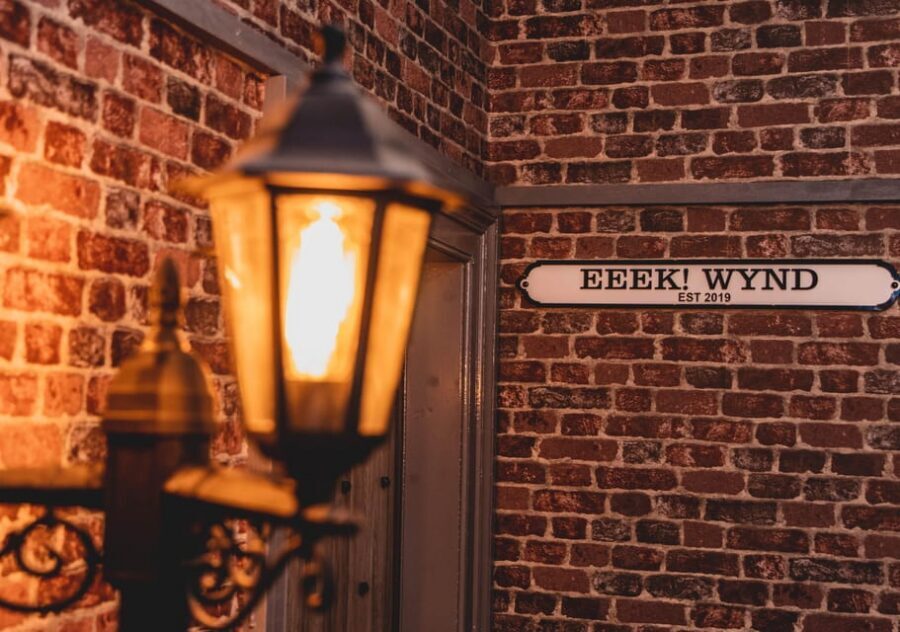
This one starts like a tabloid headline with a beat. Lola Chains, Blade Heart’s girlfriend, makes a grim discovery: Blade is found dead in his studio, surrounded by the kind of outdated 90s clutter that only makes the mystery feel louder. Blade wasn’t just any pop singer. He was the lead vocalist of the famous boyband Hearts Desire, and the story makes it clear he couldn’t fully let go of his glory days.
What I like about this setup is that it gives you a reason to care. The plot isn’t random horror. It’s business, ego, and career fallout. Sleazegenix Music Productions dropped Blade from their label after a public fight, and the owner—Daemon Powell—keeps a nervous secret: Sleazegenix still holds rights to Blade’s music if he dies. Daemon is also afraid he’ll be arrested as soon as the death is revealed, which is where you come in.
You’re hired by that private detective agency to find out how Blade died, fast. The clock matters because the police can’t get the full story until you do. And Blade didn’t exactly leave friends behind. Your suspects include:
- Steel, Blade’s ex boyband mate
- Big EZ, a rapper with his own history
- VanDer Bass, an Ibiza DJ connected to Blade’s world
The case file gives the game a clear push forward. You’re not just searching for hidden objects—you’re building a theory about motives and timing.
Other escape room and quest game tours we've reviewed in Glasgow



The 90s studio vibe: music, props, and clues in the same breath
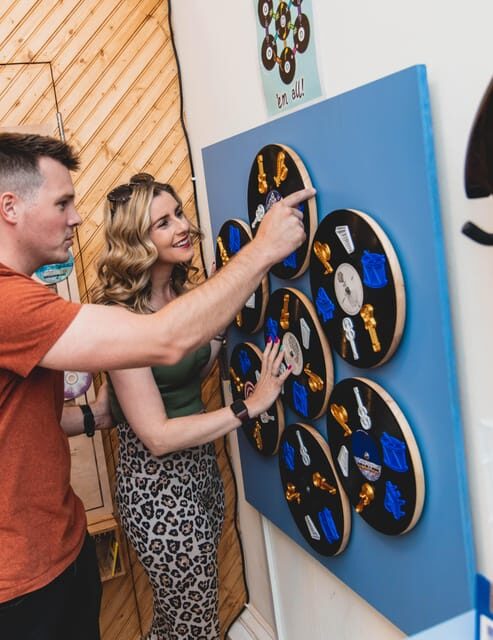
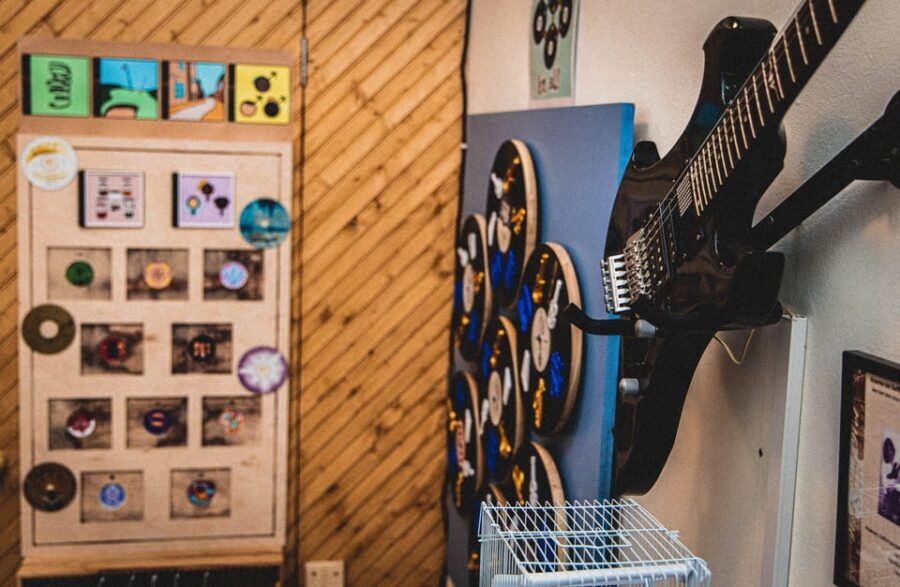
The theme leans into real 90s signals: boyband energy, bleached-hair nostalgia, and iconic fashion cues like Kappa tracksuits. It’s funny in a way that doesn’t distract from the mission. The studio space is described as a reflection of Blade’s stuck-in-the-past life, packed with belongings from that era. That matters because it helps the puzzle design feel logical. You’re not hunting in a sterile room. You’re looking around inside a character’s world.
Even if you don’t know every 90s track title, you’ll likely enjoy the atmosphere. The music isn’t just background noise. In this kind of escape room, sound can set pacing, support memory, and help you stay loose while you solve hard bits.
From the way this room has been praised, the soundtrack quality is a real point. People call out that the music is spot-on and that the theme feels true, not mashed together. If you grew up with 90s pop, you’ll get that extra layer of fun. If you didn’t, you can still play for the story and the puzzles without needing a decade of pop culture knowledge.
Your 75-minute game flow: what happens from briefing to final answer
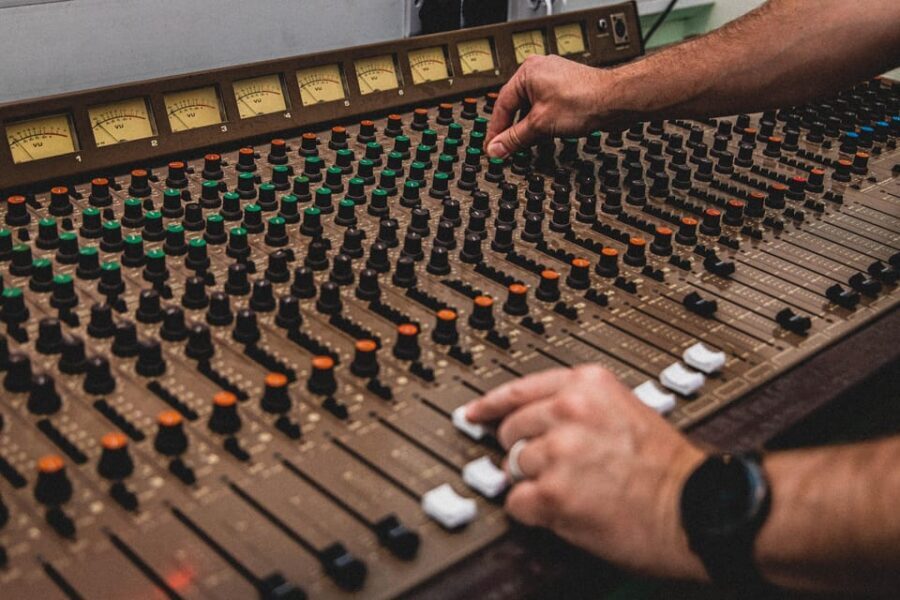
Even without fancy “tour stops,” escape rooms have a clear rhythm. Here’s what you can expect once you walk in.
1) Get briefed and read your case
You’ll meet a dedicated games host who sets the rules and explains what you’re aiming to do. The start matters because good instructions help you organize. If it’s your first escape room, this is where you’ll decide how your team will work: who checks clues, who keeps time, and who tests ideas.
A nice detail: the guidance is described as clear before you enter. That reduces the common problem of teams losing minutes just figuring out how the game works.
2) Enter Blade’s studio and start connecting clues
Your job is to solve the murder mystery by finding information and solving puzzles. The room is built around that “studio” concept, so you’ll likely spend time looking at details the way you would when investigating a real scene: not just one clue, but multiple pieces that agree with each other.
This is where the 90s theme shows up beyond vibes. It frames what you’re noticing. Props and story details can make you think differently—like you should treat the room as a timeline or a set of motives, not just a wall of riddles.
3) Push through puzzles, then check your assumptions
As you solve, you’ll start narrowing down who had a reason to do this and what evidence supports that theory. The story names key enemies of Blade Heart’s career, so the game doesn’t stay abstract. Your puzzles should steer you toward a verdict, not just a random sequence.
4) Work with your host if you get stuck
A big part of why people rate this room so highly is the hint style. If you stall, the host can provide extra clues at the right moment. That keeps the game fun for first-timers and stops one tough puzzle from turning the whole night into frustration.
5) Finish with the answer before the police timeline catches up
The premise says you must act quickly before Blade’s death is revealed to the police. In practice, you feel this through the 75-minute pacing. You’ll likely hit a point where the ending is near, and you’ll want to re-check your team notes, confirm the story, and lock in the final conclusion.
Puzzles and hints: how Brain Bruiser feels in real life
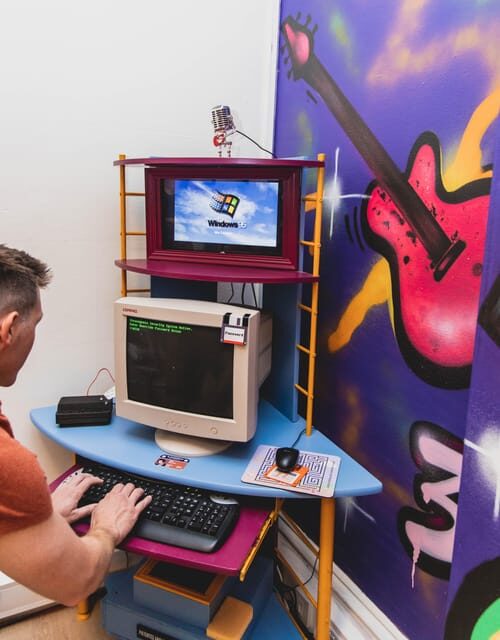
The game is rated Brain Bruiser, which is escape-room shorthand for “you’ll think” more than “you’ll breeze through.” What that means for you depends on your team.
If you’re a strong logic group—people who like patterns, sequencing, and clue deduction—you’ll probably love how the puzzles ask for structure. If your group is more creative or chatty, you’ll still be okay, but you’ll want to translate ideas into tests quickly. The room rewards teams that talk out loud and verify their guesses.
The reason this rating works is that you don’t go in alone. There’s a dedicated host. And the host interaction is specifically praised: hosts like Eliska and Edi have been singled out for being helpful and for knowing when to step in.
So here’s the practical strategy I recommend:
- Start fast. Don’t spend 10 minutes staring at the first thing.
- Split roles early. One person searches, one person reads story details, one person tries puzzle logic.
- If you’re stuck longer than you like, ask for a clue. You’ll still feel smart, but you’ll keep momentum.
Also, keep your team discussions short. Escape rooms lose time when a group becomes a debate club. Solve, then regroup.
Value check: is $37 per person worth your Glasgow night?

At about $37 per person for a 75-minute experience, this is priced like a serious activity rather than a casual distraction. The value comes from three things.
First, you’re getting a full game with a dedicated host, not just a self-led escape app vibe. Second, the room is built around a full story with named characters and a clear mission. That makes the time feel structured. Third, the puzzles are described as fantastic and inventive, which is exactly what you want at this price: your money should go into the challenge, not just the décor.
Is it a “bargain” if you’re comparing to a quick attraction? Not really. But if you want an evening in Glasgow that feels like entertainment you actively do—and not something you just watch—this holds up.
Family-wise, it also gets a thumbs-up in the sense that kids can enjoy the musical twist. Your best bet is to bring at least one adult who’s comfortable solving puzzles and reading clues, because that makes the whole experience smoother.






Getting there: eeek! Escape Rooms Glasgow and easy station access
The meeting point is eeek! Escape Rooms Glasgow. It’s about an 8-minute walk from Charing Cross Train Station and roughly 15 minutes from Kelvinbridge Underground Station. That’s useful because you can plan around Glasgow’s transit without relying on taxis.
By car, you’ll likely be fine too. There are ample parking spaces outside, and while some spots can be metered, the cost is low if you only park for a few hours. There’s also free parking in the evenings and on weekends.
Practical tip: wear comfortable shoes. Even though it’s a short walk from the stations, the city streets add up once you’re carrying phones, bags, and the usual travel clutter.
Small-team dynamics: 2–5 players works better than you think

This room is built for 2–5 players, and that size range is a sweet spot. With two people, you’ll naturally take “search and solve” roles. With three or four, you can test multiple approaches quickly. With five, it can get loud, but it’s manageable if you keep tasks organized.
What to aim for:
- Choose a team that enjoys puzzles or at least wants to try them.
- Bring people who communicate. Escape rooms reward teamwork, not silence.
- If your group is mixed ability, plan to let one person take the lead on clues and another on the room search.
The good news is that the host can help when you’re struggling, which makes this more friendly than rooms that feel strict and unforgiving.
Who should book, and who should skip it
This is recommended for ages 10 and up, and it’s rated Brain Bruiser in challenge level. That makes it a great pick for older kids, teens, and adults who like puzzles with a pop-culture story.
It’s not suitable for:
- Children under 5
- People with mobility impairments
- Wheelchair users
- People over 75
Also, the room rules include no food and drinks, no flash photography, and no alcohol and drugs. So plan to eat beforehand, and keep your phone flashlight off unless the game allows it.
If you’re sensitive to “fast pressure” games, consider that the murder reveal is tied to a time limit. That doesn’t mean it’s scary. It means you’ll need to stay focused.
Tips to solve Blade Heart faster (without ruining the fun)
You don’t need a cheat sheet. You just need smart habits.
- Assign roles immediately: searcher, reader, puzzle tester, time-watcher.
- Keep story details visible: the characters’ names and relationship ideas can guide your logic.
- Work in passes: search first, solve second, then confirm.
- Ask for a clue if you’re stuck: hosts like Eliska and Edi have been praised for knowing when an extra nudge is helpful.
- Don’t over-collect: if you find too many unrelated pieces, you’ll waste time. Try to connect each clue to your theory right away.
And if you’re going with friends who aren’t puzzle people, make it a team promise: no one gets to declare defeat. You ask, you test, you move on.
Should you book this Stuck in the 90s escape room?
I’d book it if you want a Glasgow evening activity that’s active, story-driven, and friendly to teams that like puzzles. The 90s music theme is a real selling point here, and the puzzle quality gets consistent praise. If your group includes at least one person who enjoys logic games, you’ll feel the “wow, we solved it” payoff.
I’d skip it if your group hates being challenged under a time limit, or if accessibility needs make participation difficult. Also, if your team is expecting a super-relaxed, easygoing experience, the Brain Bruiser rating is a heads-up.
If you’re in the mood for something different from pubs and shopping, this is one of the better “do it together” nights in Glasgow.
FAQ
How long is the escape room experience?
The experience lasts 75 minutes.
How many players can go in a group?
It’s designed for 2–5 players.
What’s the theme like?
It’s a fun and playful murder mystery with a 90s musical twist, centered on solving who killed Blade Heart.
Is it suitable for kids?
It’s recommended for age 10 and over and it’s not suitable for children under 5.
Who is the host and what language is used?
There’s a dedicated games host and the experience is guided in English.
What should I wear?
Bring comfortable shoes, since you’ll be walking and moving around inside the room.
Are food, drinks, or photos allowed?
Food and drinks aren’t allowed. Flash photography is also not allowed. Alcohol and drugs are not allowed either.
Where is the meeting point and how do I get there?
Meet at eeek! Escape Rooms Glasgow, about an 8-minute walk from Charing Cross Train Station and a 15-minute walk from Kelvinbridge Underground Station. Parking is available outside the premises, with low-cost metered spots sometimes, plus free parking evenings and weekends.